19 Nov 2026
Tracing the Origins and Growth of Incentive Programs in Virtual Casino Environments
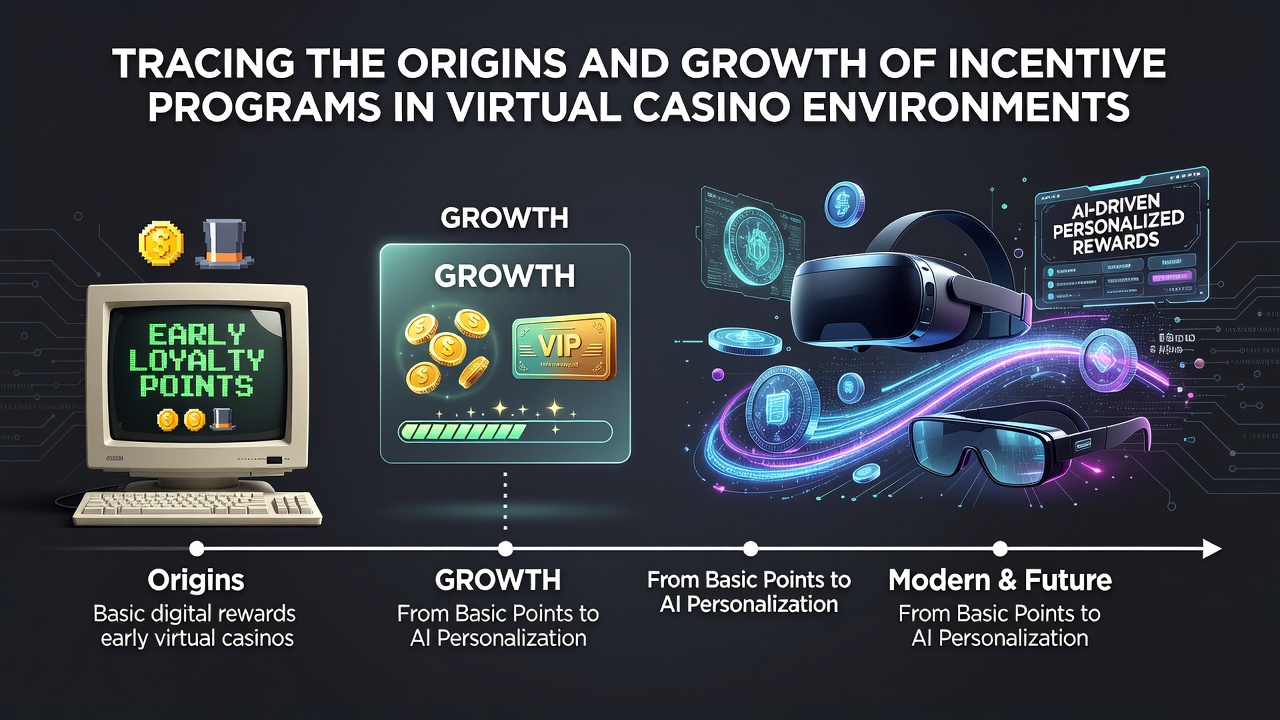
The first virtual casino environments emerged in the mid-1990s, and operators quickly introduced sign-up incentives to draw initial players to new platforms that lacked physical presence or brand recognition. These early offers typically took the form of fixed deposit matches or free credits, and they addressed the challenge of building trust in an unregulated digital space where players could not verify fairness through direct observation.
Early Development Phase
Operators in the Caribbean region established many of the initial sites, and they used straightforward bonus structures that required minimal player commitment yet delivered immediate account credits. Data from industry archives shows that participation rates rose sharply once these credits appeared on screen, while retention depended on repeat deposits that often carried wagering conditions set at multiples of the bonus amount.
By the late 1990s several software providers began licensing their platforms across multiple jurisdictions, and this expansion created pressure for more varied incentive models because competing sites offered similar welcome packages. Observers note that loyalty points systems appeared at this stage, converting wagers into redeemable credits that could offset future play or unlock tiered benefits.
Expansion Through the 2000s
teh introduction of downloadable client software coincided with broader internet adoption, and operators responded by layering reload bonuses and cashback offers onto existing welcome structures. Figures from regulatory filings in New Jersey reveal that bonus-related player acquisition costs grew steadily as market saturation increased, prompting operators to track lifetime value metrics rather than single-deposit conversions.
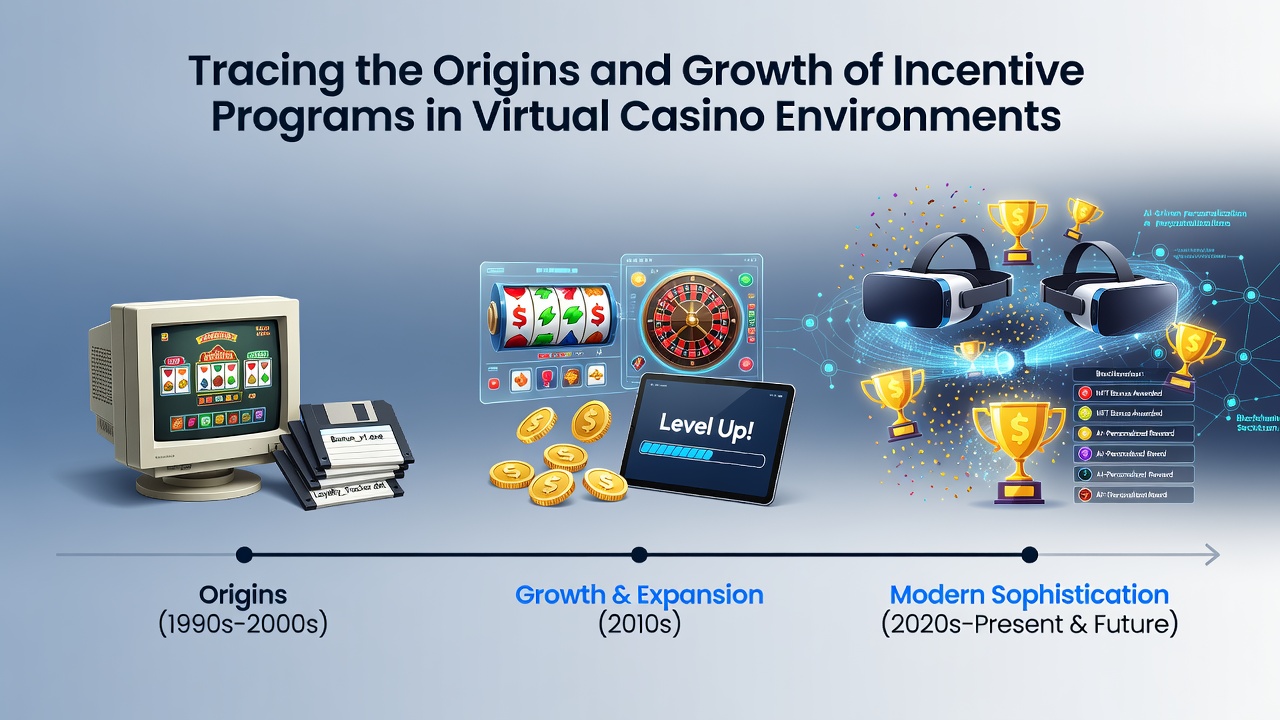
During this period several European operators began experimenting with VIP clubs that granted exclusive event invitations and higher withdrawal limits, while Australian regulatory reviews documented how these programs influenced player segmentation strategies. The shift from generic bonuses to segmented offers relied on basic database tracking, yet it laid groundwork for later data-driven customization.
Mobile Transition and Personalization
Smartphone adoption after 2010 accelerated changes because players accessed accounts multiple times daily instead of during dedicated sessions. Operators integrated push notifications that highlighted time-limited incentives, and studies conducted by the University of Nevada, Las Vegas, indicate that mobile-specific bonuses increased session frequency without raising average wager sizes.
Algorithms began analyzing individual betting patterns to generate tailored offers, and this approach reduced blanket promotions that previously reached all users regardless of activity level. Canadian provincial data from iGaming Ontario shows a measurable rise in redemption rates once personalization replaced uniform campaigns, and similar patterns appeared in reports from the Malta Gaming Authority.
Regulatory Influences and Recent Trends
Jurisdictional requirements shaped incentive design because licensing bodies imposed caps on bonus values and mandated clear disclosure of terms. In November 2026 several North American markets are scheduled to implement updated transparency rules that require operators to display wagering multipliers alongside promotional banners, aligning with practices already in place across parts of the Asia-Pacific region.
Industry associations such as the European Gaming and Betting Association have published guidelines that encourage responsible promotion practices, while academic papers from research centers track how these measures affect player behavior over multi-year periods. Growth in virtual environments continues to rely on incentive evolution, with blockchain-based loyalty tokens emerging in select markets as an extension of earlier point systems.
Conclusion
Incentive programs in virtual casino environments have progressed from simple deposit matches in the 1990s to sophisticated, data-informed structures that adapt to individual play habits and regulatory expectations. Continued development depends on balancing player acquisition goals with compliance requirements across expanding global markets, and records maintained by licensing authorities provide ongoing documentation of these adjustments.