10 Sep 2026
Shifts in Player Retention Tactics Driven by Loyalty Program Innovations Across Digital Gambling Operators
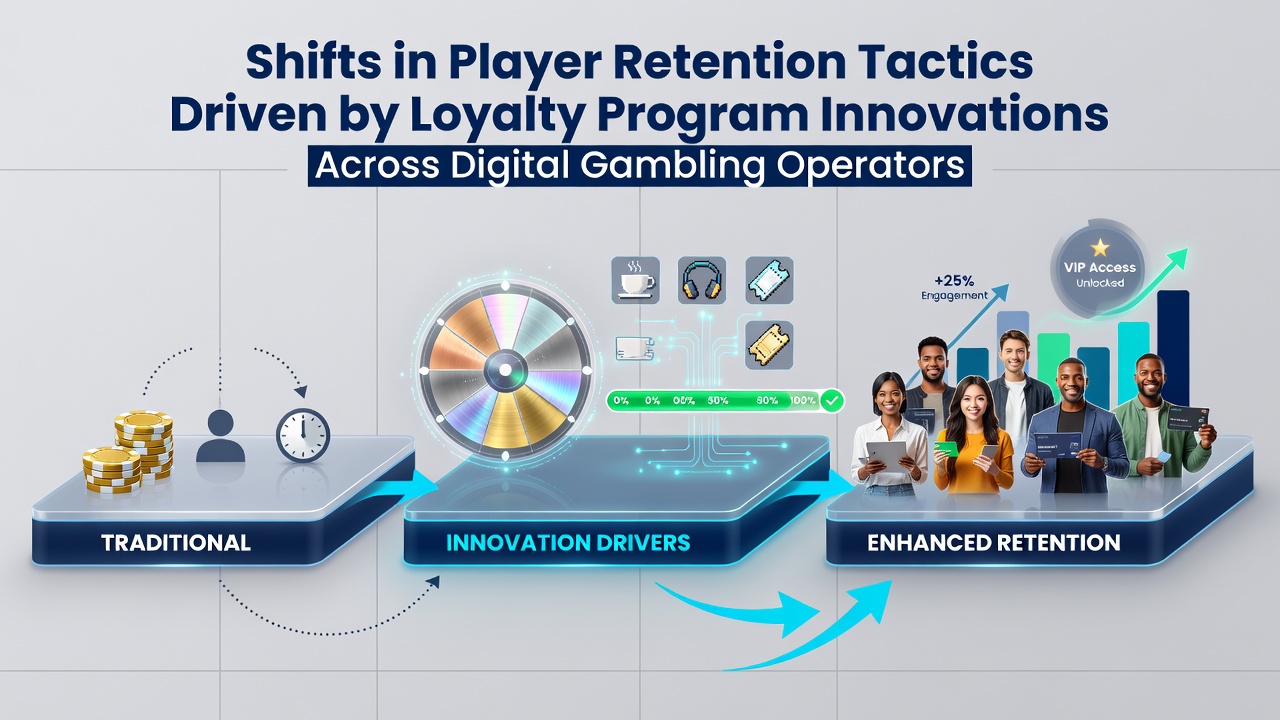
Digital gambling operators have adjusted retention strategies around loyalty program innovations that incorporate advanced data tracking, tiered rewards, and integrated engagement tools, and these changes reflect broader industry adaptations to player behavior patterns observed through 2026. Operators now focus on systems that reward consistent activity while adapting rewards based on individual play histories, which has led to measurable differences in session lengths and repeat visits across multiple markets.
Evolution of Core Loyalty Structures
Traditional point accumulation models have expanded into multi-layered frameworks that combine cashback, exclusive access, and status-based privileges, while operators integrate these elements with real-time tracking platforms. Research from the National Center for Responsible Gaming indicates that operators adopting dynamic tier adjustments see higher average player lifetimes compared to static systems, and the transition accelerated after 2024 as platforms gained access to more granular behavioral datasets. Those who studied early implementations note that combining monetary rewards with experiential benefits, such as virtual events or priority support, creates retention loops that extend beyond simple deposit matches.
Many platforms now use segmented loyalty currencies that players can exchange for different categories of benefits, and this approach allows operators to balance cost management with perceived value. Data from the European Gaming and Betting Association shows that programs emphasizing choice in redemption options maintain steadier engagement rates across demographic groups, whereas rigid reward structures experience faster drop-off after initial enrollment periods.
Integration of Artificial Intelligence and Personalization
Artificial intelligence tools have become central to tailoring loyalty offers in ways that respond to live activity rather than historical summaries alone, and operators deploy these systems to predict churn risks before they materialize. Machine learning models analyze deposit frequency, game preferences, and time-of-day patterns to generate targeted incentives that arrive at optimal moments during a session. Observers note that this shift moves retention from reactive campaigns toward proactive adjustments that feel seamless to the end user.
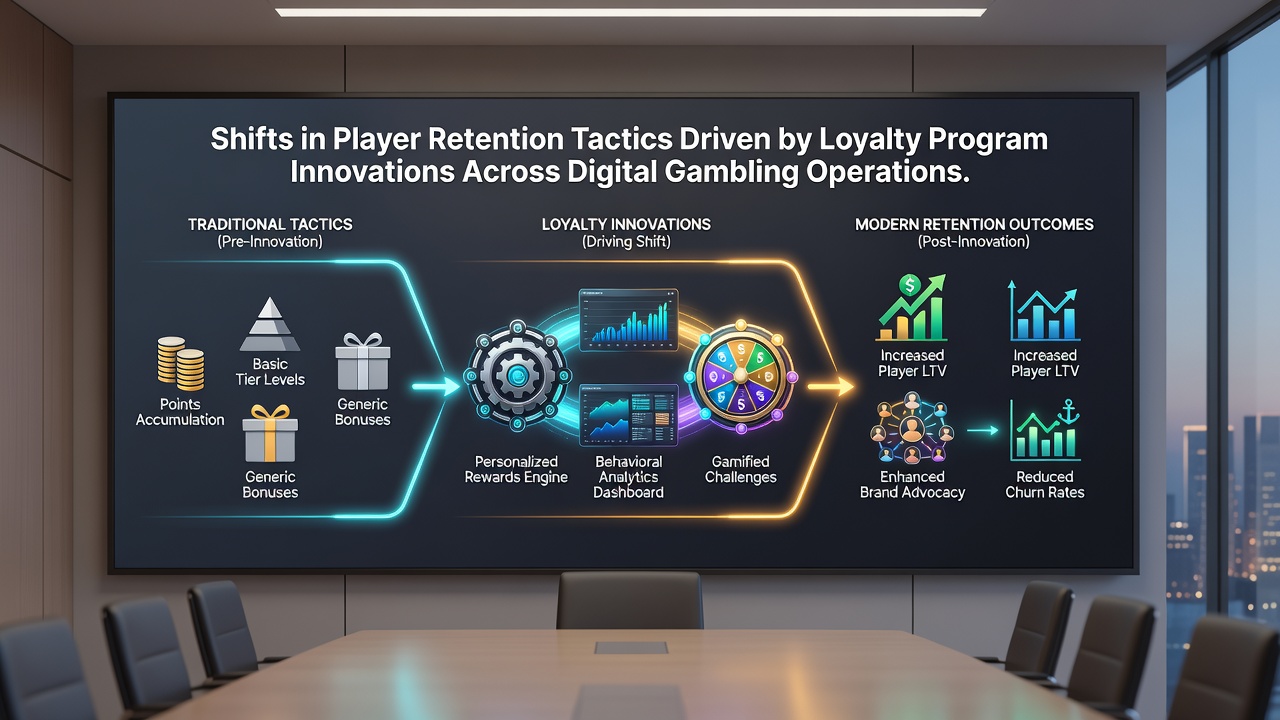
As of September 2026 several large operators have reported testing generative AI features that create customized mission sets within loyalty programs, and these missions adapt daily based on recent play data. The approach differs from earlier static challenges because it incorporates player feedback loops that refine difficulty and reward scaling automatically. Those who've examined pilot results find that such adaptive missions reduce voluntary exits during promotional lulls, particularly among mid-tier players who previously showed inconsistent activity.
Gamification Elements and Cross-Platform Features
Gamification layers such as progress bars, achievement badges, and competitive leaderboards now sit inside loyalty interfaces across many digital platforms, and these additions turn routine play into structured progression systems. Operators link these features to social sharing options that extend engagement beyond individual sessions, creating community-driven retention effects. Studies from academic research groups at institutions focused on behavioral economics have documented increased session counts when social competition elements activate within loyalty frameworks.
Cross-platform compatibility has also gained traction, allowing players to carry loyalty status between desktop, mobile, and live dealer environments without resetting progress. This continuity matters because fragmented experiences previously caused drop-offs when users switched devices mid-campaign. Figures from industry tracking services reveal that unified loyalty wallets correlate with steadier monthly active user numbers, especially in regions where mobile traffic dominates overall volume.
Regional Implementation Patterns
European operators tend to emphasize regulatory-compliant transparency in loyalty communications, whereas North American and Asian markets experiment more freely with gamified visuals and rapid reward cycles. Canadian provincial frameworks have encouraged operators to publish clear tier advancement criteria, and this requirement has prompted clearer communication standards that some global platforms now adopt voluntarily. Australian operators meanwhile integrate loyalty rewards with responsible gambling tools, linking play limits directly to bonus eligibility in ways that satisfy local oversight bodies.
These geographic differences produce varied retention outcomes that researchers continue to compare, and patterns emerging in 2025-2026 suggest hybrid models may converge as platforms expand internationally. Operators that maintain separate loyalty engines for different jurisdictions report higher compliance costs yet also note improved regional retention when local preferences shape program design.
Conclusion
Loyalty program innovations continue to drive retention tactics across digital gambling operators through layered personalization, AI-driven timing, and cross-device consistency, and available data through September 2026 shows these elements working together to stabilize player activity metrics. The landscape reflects ongoing adaptation rather than fixed solutions, with operators monitoring performance indicators to refine structures in response to shifting user expectations and regulatory environments.